Step 1: Define the scope
Decide what you want to change and what stays. The scope decides which approvals you need, so it comes first.
- Repainting interior walls and swapping loose furniture usually need no permit.
- Structural changes, plumbing relocations, flooring where waterproofing matters, and electrical or AC alterations typically do.
- External works and facade changes on a villa often demand additional checks.
Step 2: Site visit and written quotation
An engineer should see the villa before pricing it, because hidden conditions such as old pipework change the job. Guides also advise keeping part of the budget aside for unexpected issues.
- We offer a free, no-obligation site visit anywhere in the UAE.
- You then receive a written quotation with the scope, a fixed price and a timeline.
Step 3: Find out who regulates your community
In Dubai, the authority depends on where the villa is. Dubai Municipality is the main authority for most residential work outside the free zones. The Dubai Development Authority (DDA) and Trakhees also issue permits, and Trakhees covers areas such as Palm Jumeirah and JAFZA.
Step 4: Developer NOC and drawings
For a villa, a No Objection Certificate (NOC) from the master developer is needed before the government application. Community or building management commonly asks for a refundable deposit too.
- A certified engineer or architect usually prepares the renovation plan.
- For MEP scopes, a licensed engineering consultant prepares and stamps the drawings.
- Plumbing or electrical work also needs DEWA approval.
Step 5: Building permit
For Dubai Municipality, the application goes through the Dubai Building Permits System (BPS) with the drawings, documents, building card details, the NOC and the fees. DM then issues the building permit and stamps the drawings. It is good practice to let your neighbours know before work starts.
Step 6: The work, in the right order
Order matters on site. Our engineer-led, in-house team works civil first, then MEP, then finishes, so nothing is closed up before it is checked.
- Civil: block work, partitions and plaster.
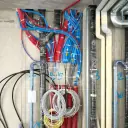
- MEP: plumbing, drainage, electrical and AC points, checked before walls and ceilings close.
- Finishes: gypsum ceilings, tiling, glass and paint, with painting last.
- Outdoor work in summer is planned around the UAE midday break: no work under direct sunlight in open areas from 12:30pm to 3pm, 15 June to 15 September.
Step 7: Inspection and handover
After the works, Dubai Municipality and DEWA are notified for final inspections. The process ends with the Property Completion Certificate from DM and the clearance certificate from DEWA. We finish with a handover walkthrough and a clean site.